What is WAF
Waste to Art Family — an education project in Okinawa, Japan.
WAF is not a craft class. Making art is only the method.
WAF helps children think differently about the things they use every day. Using ordinary materials — old newspapers, plastic bottle caps — children make something of their own while discovering that these things still held value nobody had noticed.
But the artwork is not the point. Rather than telling children what to think, we build the session so they explore, create and arrive at the idea themselves.
Our philosophy
WAF is not simply about making art from discarded materials. It is about inspiring children to make thoughtful choices before something becomes waste.
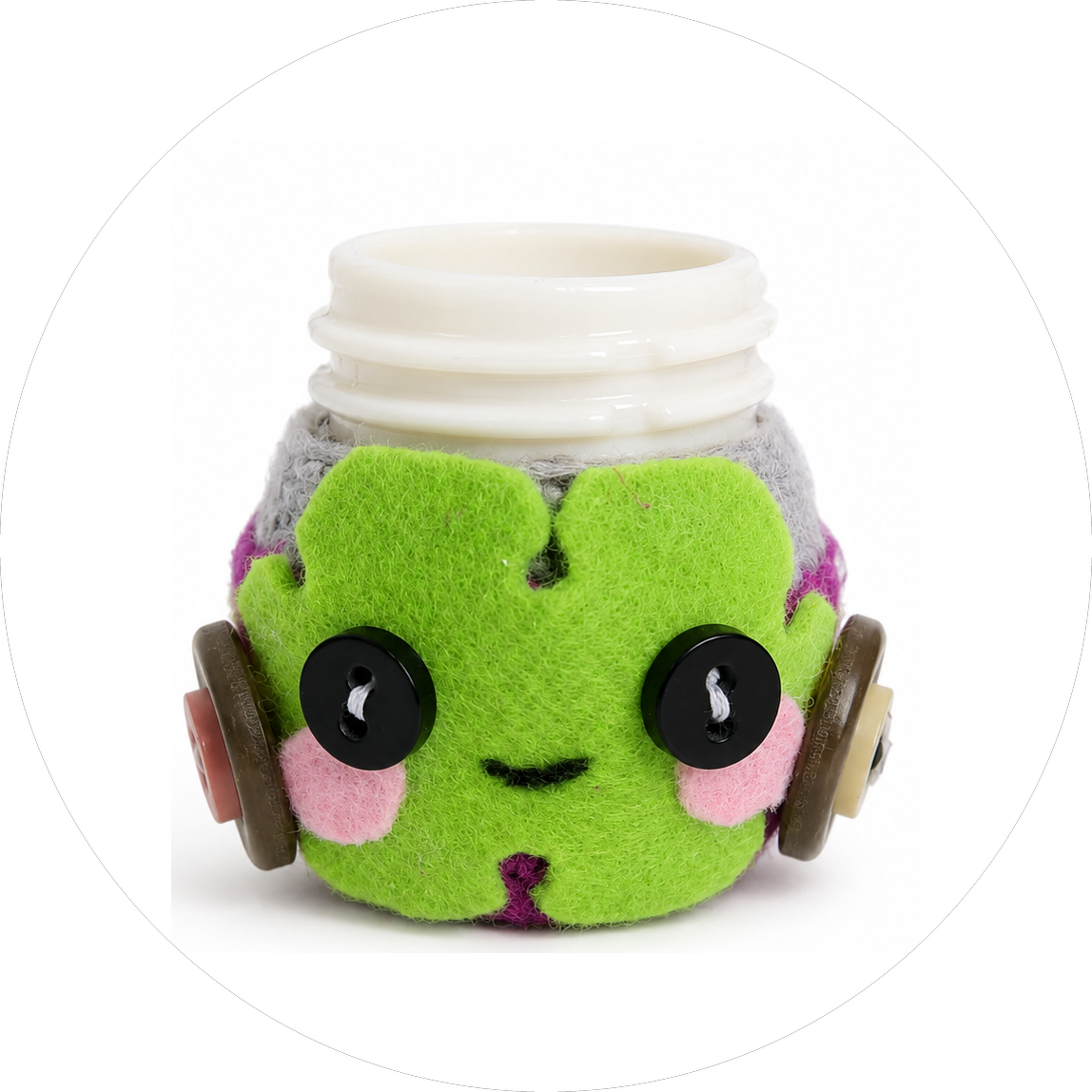
Let’s discover together!
The sentence at the top of this page is a name
A New Way of Seeing Workshop
Every session we run — Creative or Discovery — is that one program.
See the five steps →The shift that decided everything
We began with “how do we reuse this?” — and found that the real question comes before that.
Where we started
Something has become waste.
How can we make art out of it?
Where we are now
It has not become waste yet.
Do we really need to throw it
away — and could we choose something that lasts longer?
Reuse is not the goal. It is the way a pair of six-year-old hands can feel the idea before anyone explains it. The most sustainable choice begins long before something is thrown away.
The three questions
Not a list on a wall. The whole session is built so they arrive by themselves.
A child holding a newspaper can find out in twenty minutes that yes, it can be used again. Question two is answered by their own hands.
The third cannot be answered with scissors and glue. It waits until they are standing in a shop, choosing between two things.
That is why we let it leave the room with them.
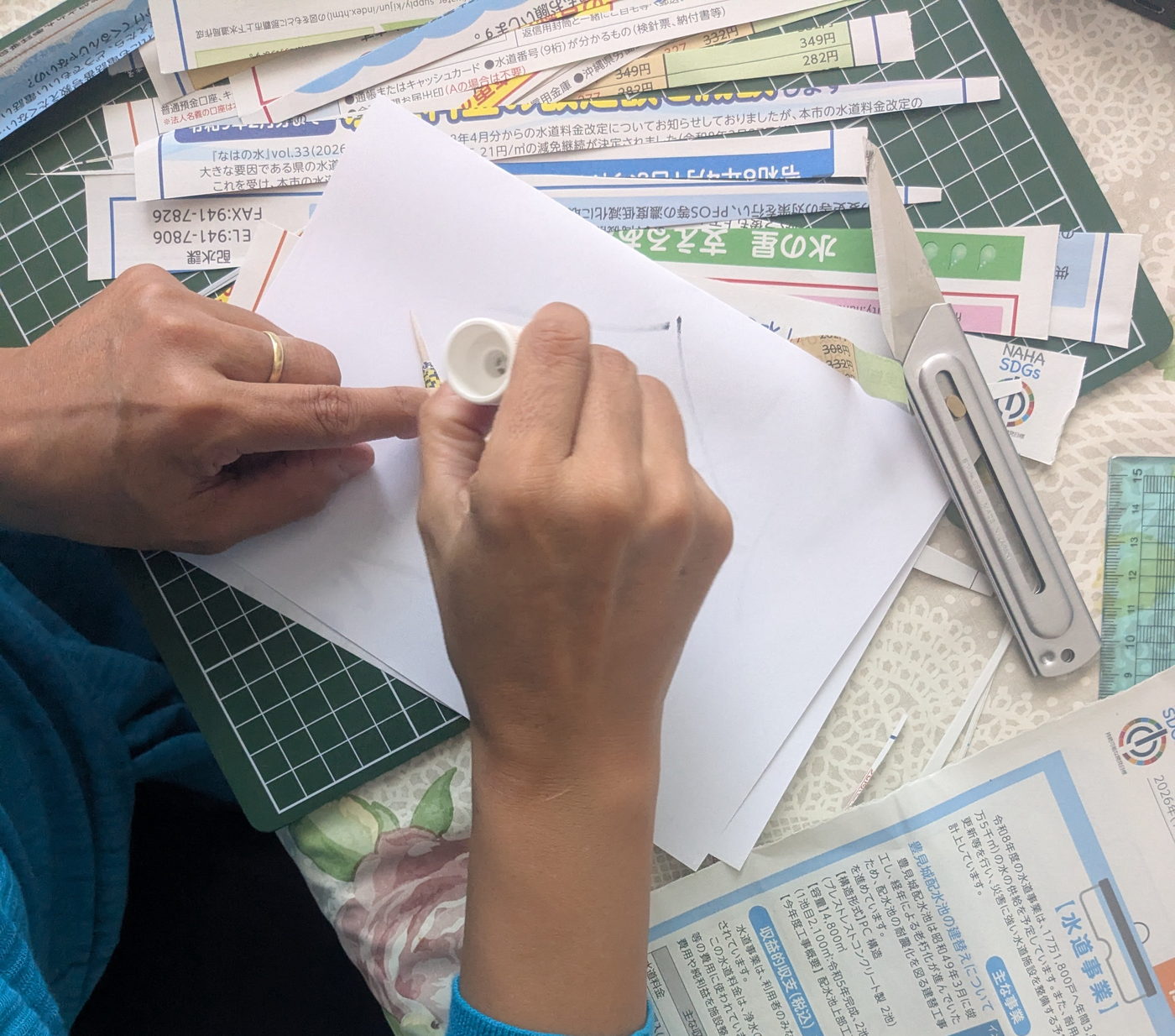
One strip of paper, one turn at a time.This is where it starts
How we teach
Most lessons start with the meaning. Ours ends with it.
The usual order
Teach → Practice
Explain the point first, then let them try it.
The WAF order
Experience → Curiosity → Reflection → Habit
Make first. Then why? Then what else? Then it sticks.
We do not give away the meaning in advance. A child who is told the lesson has learned a sentence. A child who notices it has learned to notice.
What is actually being trained
Good designers observe. So do good scientists, good engineers, good inventors. It is not a small ability, and it is not taught by being told to pay attention.
The moment we are working toward
“Should I throw this away?”
When a child stops seeing rubbish and starts asking what something could become, this has stopped being a conversation about reuse. A way of seeing the world has begun to grow — and it will outlast the bracelet by several decades.
What we’d say to a parent afterwards
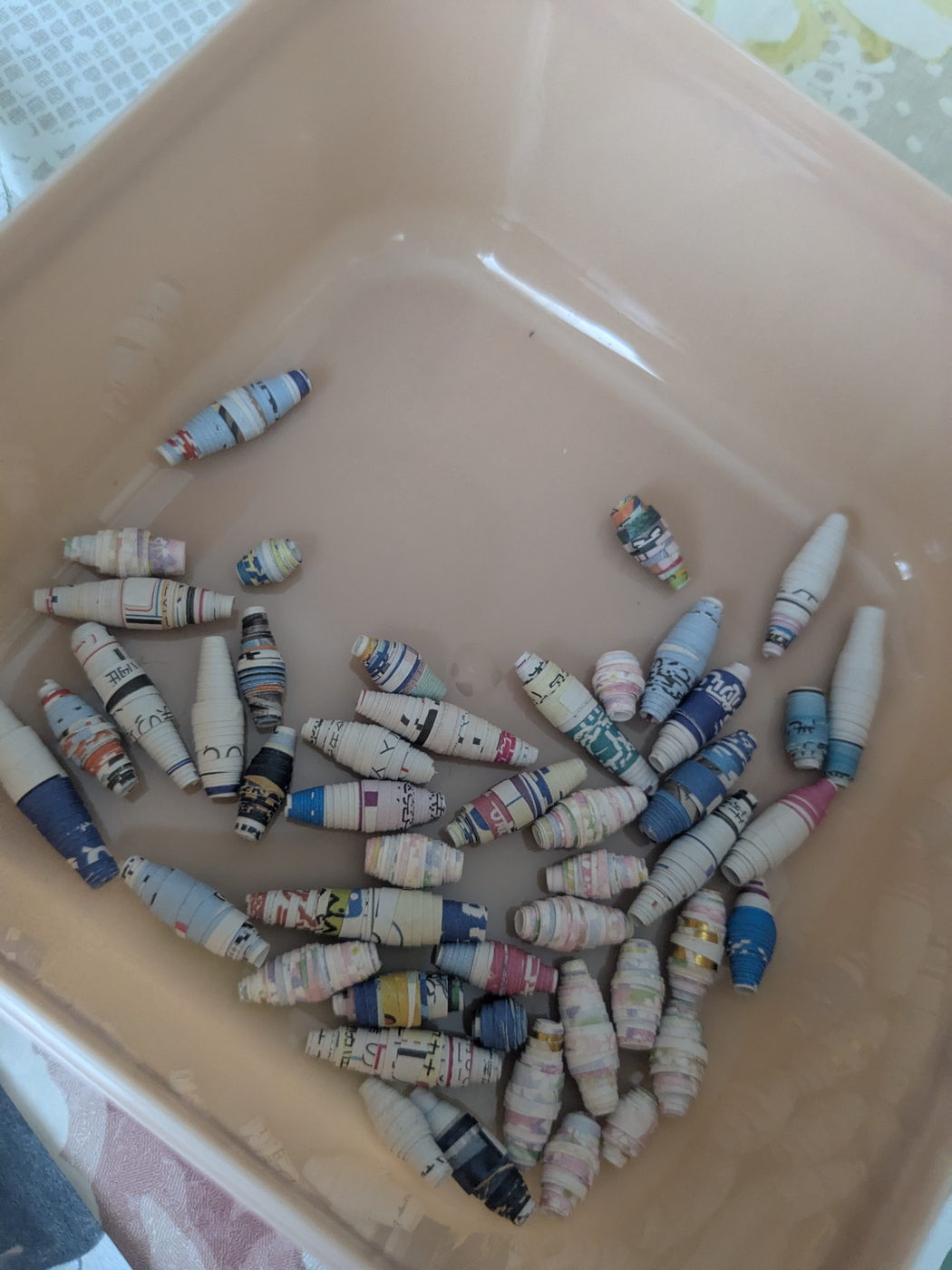
Today your child didn’t just make a bracelet. They discovered that creativity can give everyday objects a new purpose.
What we believe
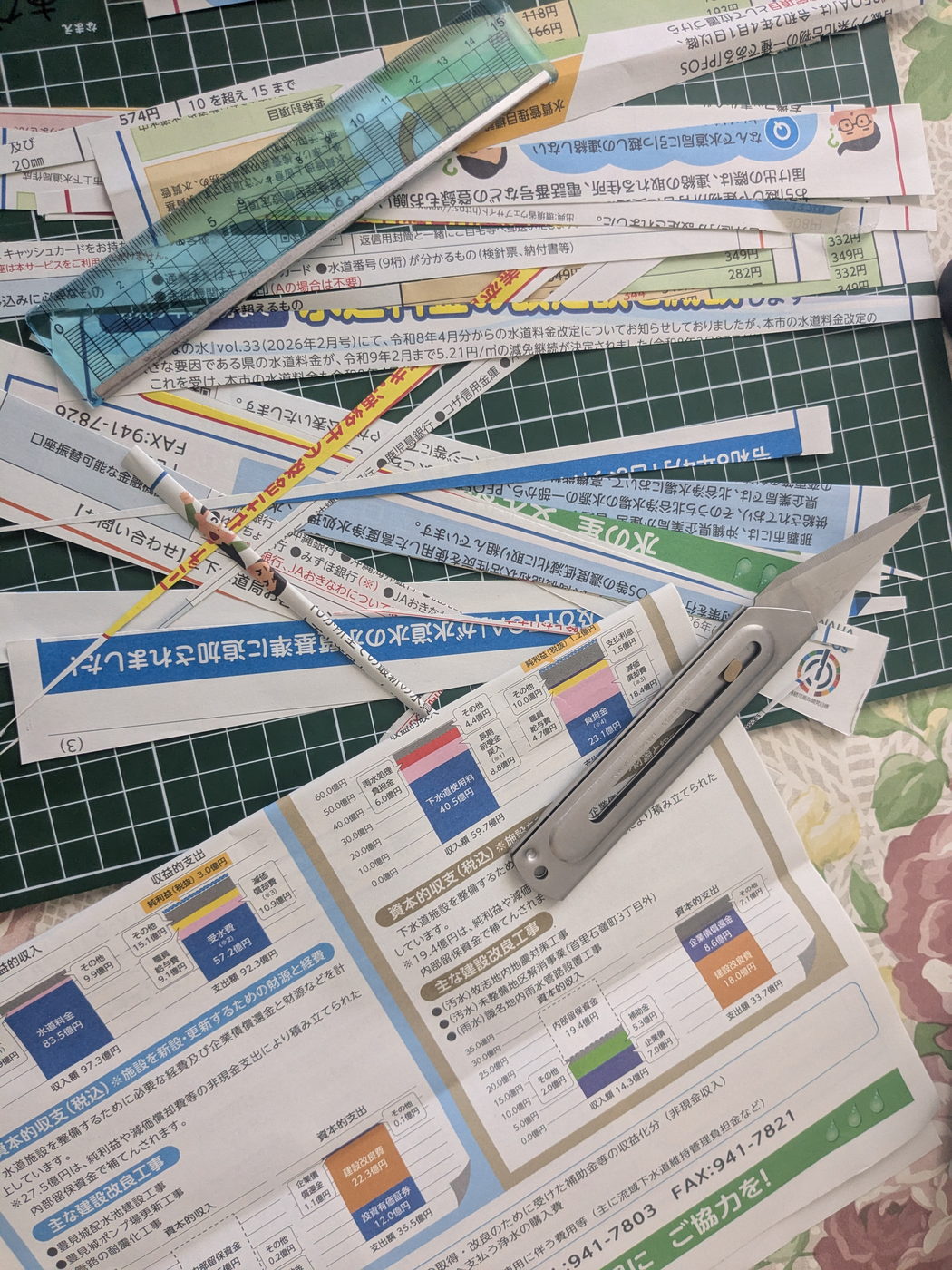
 WAF