WAF 日本語 Invite us

Stories

Every Puzz story begins with a real story.

Nothing on this page was invented for it.

This is the part of WAF we are most certain about. Not the plan, not the catalog — the things that actually happened, photographed while they were happening.

It is also the rule for everything we make afterwards. The picture books start here. If it didn’t happen, it doesn’t go in a book.

The record so far

In the order it happened

How it started

A table, some rubbish, and children who didn’t need convincing

Newspapers cut into strips and rolled into beads. Bottle caps melted into sheets of colour and cut into shapes. Small groups — mothers and their children, around an ordinary table.

What we did not expect was how little explaining was needed. Nobody had to be told that the newspaper had been rubbish ten minutes earlier. They could see it.
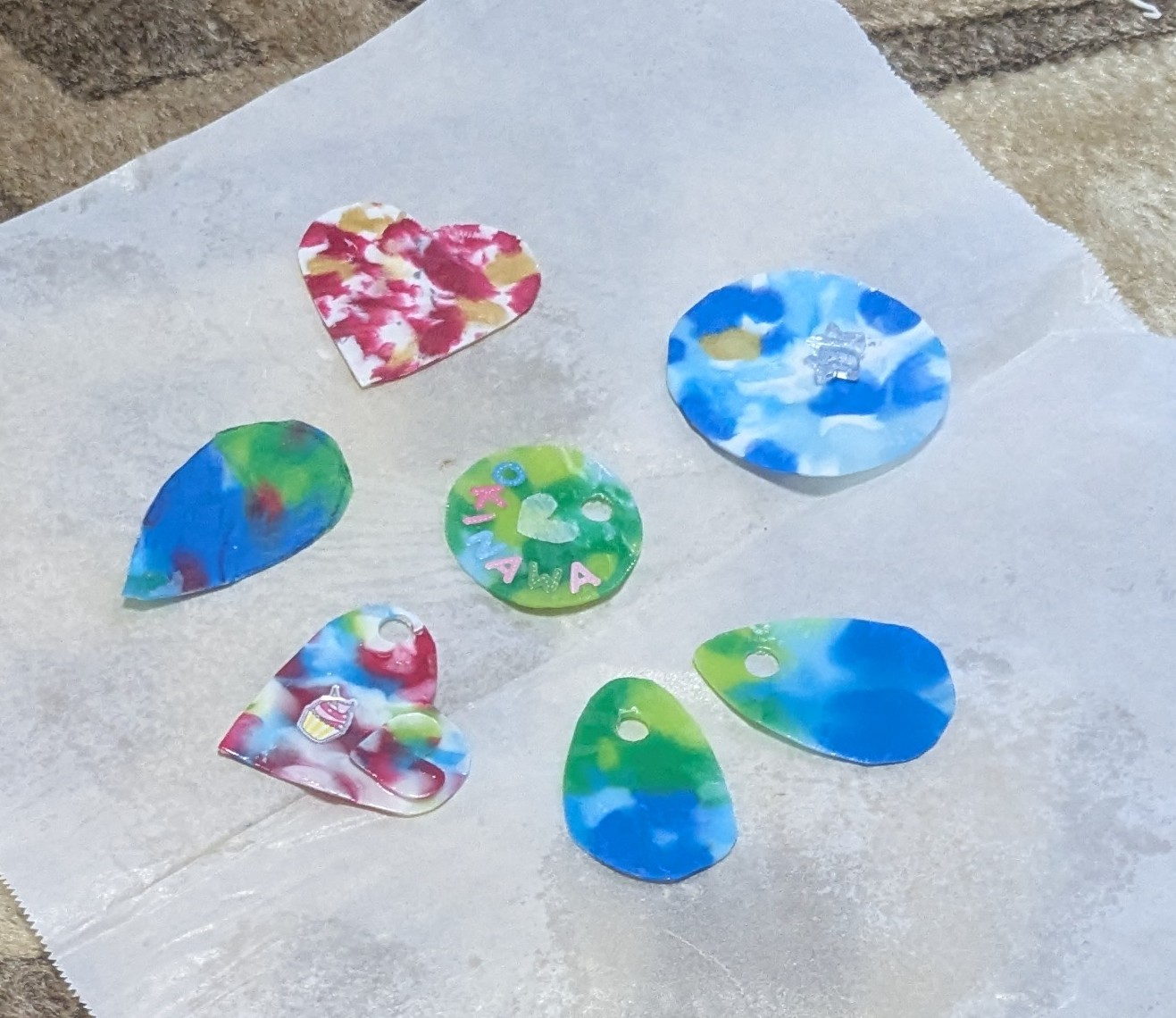
Seven finished pieces made from melted plastic, laid out on a table
Seven pieces. All of it was packaging that morning.

The one that left with someone

Puzz No.013

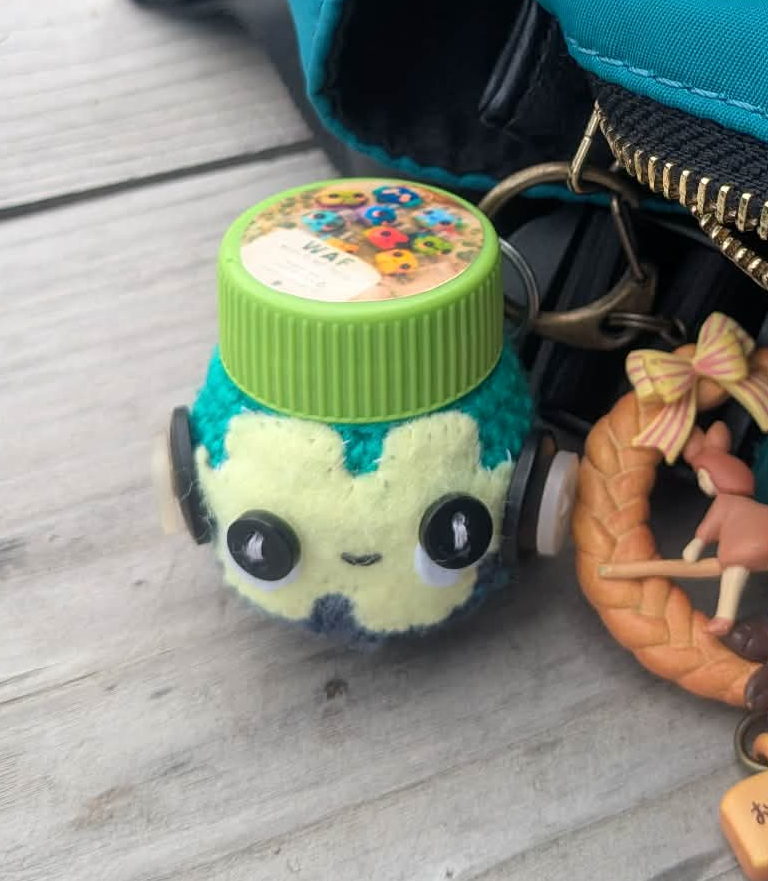
One of the Puzz went to a child. He did not put it on a shelf, and he did not carry it home inside a bag. He clipped it to the outside of his bag, there and then, and walked out with it.

That small difference is the whole thing, and it is why the Puzz Journey posts all end the same way:

He didn’t take Puzz home.
He took Puzz with him.

A Puzz and a handmade keychain clipped to the strap of a teal bag
Clipped on, and gone.

Then they started drawing

Draw Your Own Puzz

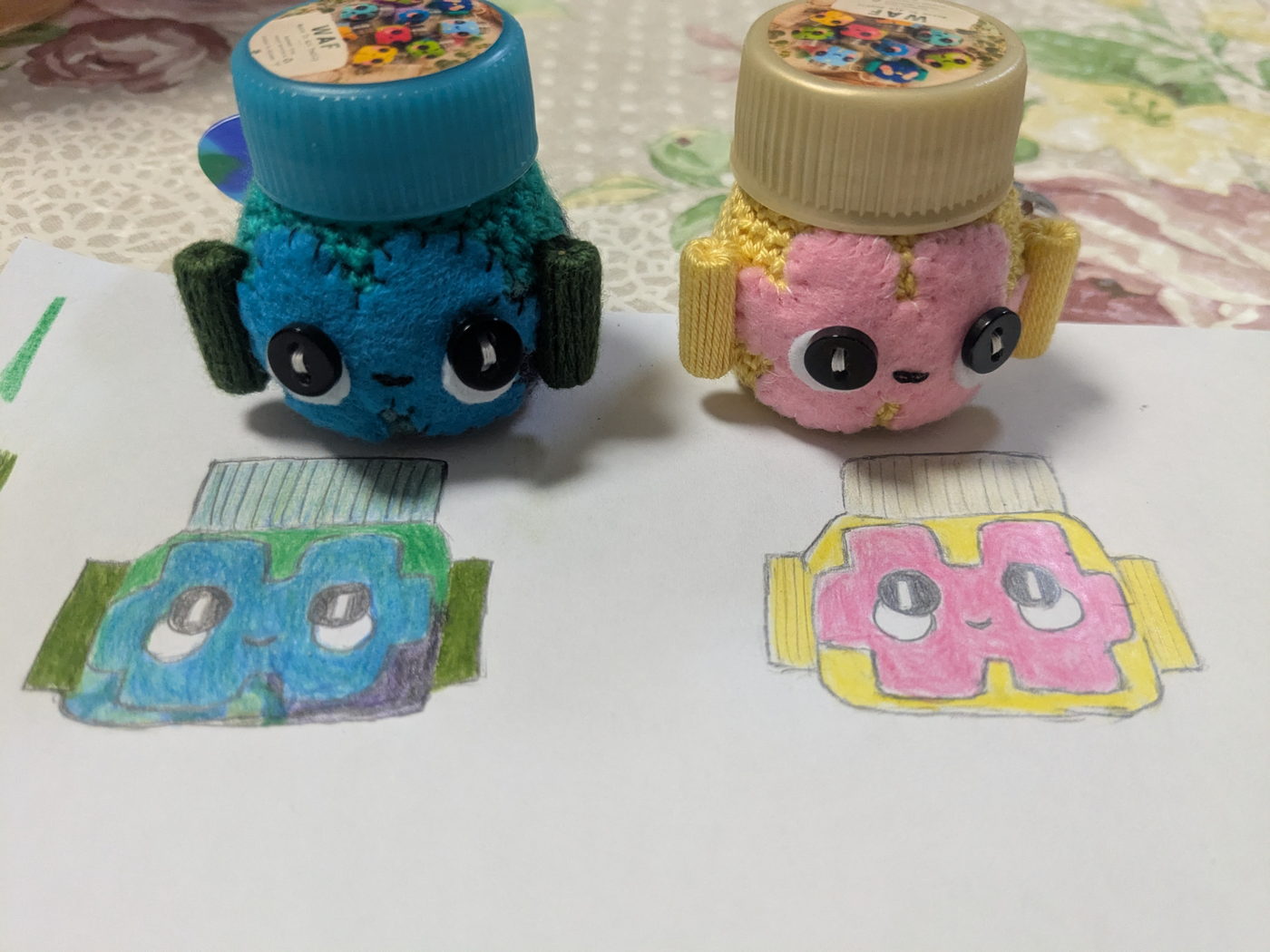
Nobody asked them to. Children who had met Puzz started drawing their own — different faces, different colours, and set down next to the real ones for comparison.

We think this is the clearest sign the idea landed. A character children want to copy is a character they have accepted. And every drawing is somebody deciding, without being asked, that a thing can be given a face and a name.

Two Puzz characters beside children's pencil drawings of Puzz faces
Theirs, next to ours.

Off the table, onto a beach

The habit left the room

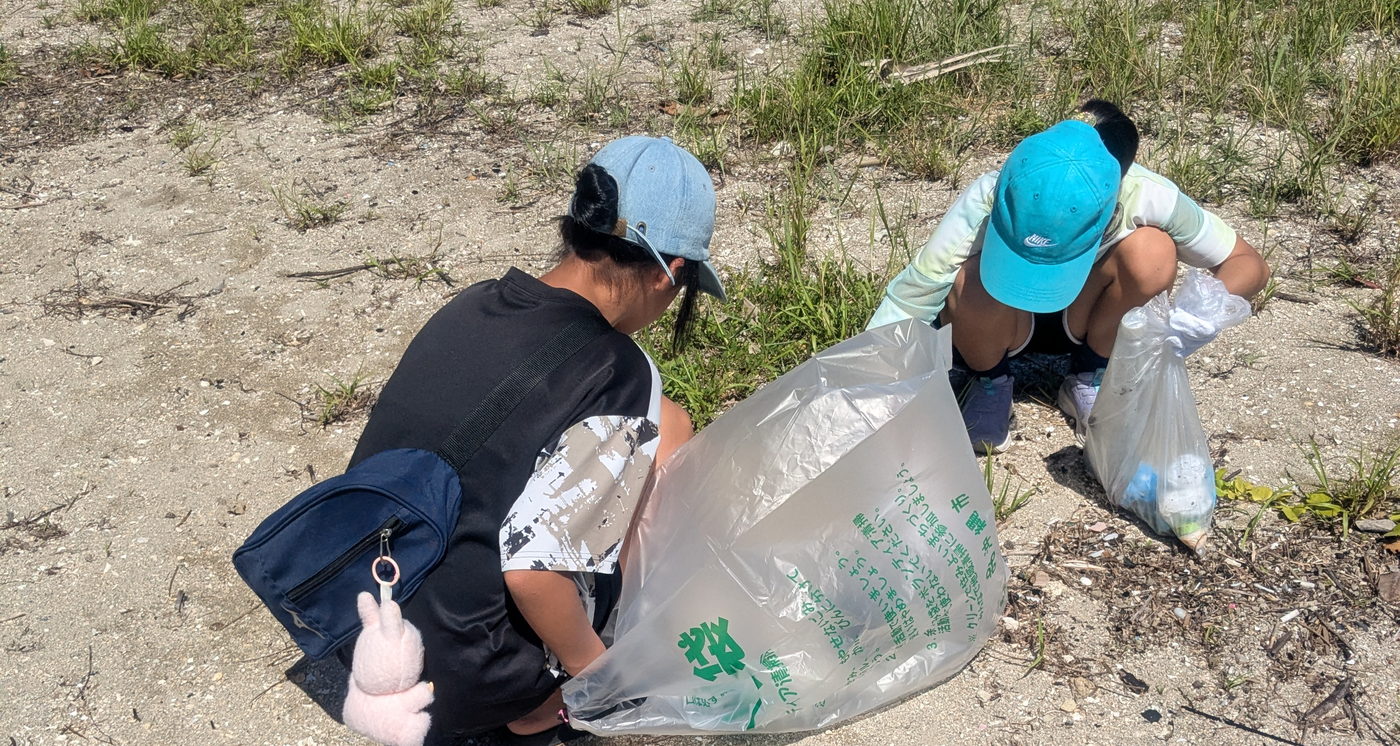
A beach walk, a bag, and two children filling it with what the sea had brought in. Look closely at the bag — a Puzz is still clipped to it.

Nobody ran a workshop that afternoon. This is the part we cannot teach and cannot stage — it either happens later, on its own, or the whole thing was just an afternoon of craft.

Two children, seen from behind, filling a bag with litter on a beach, a small Puzz clipped to one of the bags
The habit travels.

Into the kitchen

The same question, in a different room

We started composting at home and posting about it, and it looked at first like a different subject. It isn’t.

Puzz asks whether something on its way to the bin has really lost its value. A compost bin asks whether the peelings are really rubbish. One goes waste → art; the other goes waste → soil → life. Neither is about changing rubbish. Both are about changing the angle you look at it from.

Nothing is truly waste when we see its next purpose.

Where this goes next

Food, repairs, clothes, how we shop. There is a lot of room left in this direction, and only one test for whether something belongs:

Is it about the choice made before something becomes waste?

Invite us to your place